The True Cost of Delaying Roof Replacement in the Twin Cities Area
March 21, 2026
The roof is more than just the protective cover over a home; it is a critical component that safeguards your family, possessions, and the structural integrity of your property. In the Twin Cities area, where weather conditions range from heavy snow and ice in winter to intense summer storms, the durability of your roof is constantly tested. Homeowners often overlook minor signs of roof damage, such as small leaks or missing shingles, assuming they can be addressed later. However, what starts as a seemingly minor issue can escalate into far-reaching problems that compromise both safety and finances. Even small oversights, like delayed gutter maintenance or ignoring early shingle damage, can accelerate deterioration and lead to unexpected emergency repairs. Proactively understanding your roof’s condition allows homeowners to plan replacements strategically, avoiding disruptive situations and costly emergency interventions.
Neglecting timely roof replacement can result in a cascade of structural issues. Small leaks may lead to water intrusion, damaging insulation, causing mold growth, and weakening the underlying framework. Beyond the physical damage, delayed maintenance can reduce your home's energy efficiency and overall market value. In regions like the Twin Cities, with seasonal weather extremes, proactive roof replacement isn’t merely a cosmetic decision—it is a strategic investment in preserving the safety, comfort, and value of your home. Additionally, a neglected roof can impact indoor air quality, increase heating and cooling expenses, and create hidden hazards for occupants. Recognizing the signs of roof aging and understanding the risks of postponement can save homeowners from costly and extensive repairs down the line, ensuring long-term peace of mind and property protection.
Early Warning Signs of Roof Deterioration
Shingles and Surface Wear
The first indication of a roof nearing the end of its lifespan often comes from the shingles. Cracked, curling, or missing shingles may appear minor but signal that the roof’s protective barrier has been compromised. Exposure to sun, wind, and precipitation accelerates shingle deterioration over time. In the Twin Cities area, repeated freeze-thaw cycles can cause shingles to crack and lose their ability to repel water effectively. Ignoring these early signs increases the risk of leaks forming beneath the roof surface, which can quickly escalate into more severe damage.
Granule Loss and Surface Discoloration
As asphalt shingles age, they begin to lose granules, which appear as small particles in gutters or on the ground. Granule loss reduces the shingles’ protective qualities against UV rays and precipitation, making your roof more susceptible to water infiltration. Similarly, surface discoloration, streaks, or dark patches often indicate algae or moisture accumulation, which can further degrade the roof material. Homeowners should monitor these signs and consider a professional roof inspection before minor issues become costly problems.
Flashing and Sealant Wear
Flashing around chimneys, vents, and skylights is designed to prevent water intrusion at vulnerable roof junctions. Over time, flashing can rust, loosen, or develop gaps, while sealants may crack or shrink. Even a small breach in flashing can allow water to seep into the attic or walls, leading to hidden damage. Proactive replacement or repair of these elements during a roof replacement schedule ensures long-term protection against structural compromise.
How Small Leaks Escalate Into Major Damage
Water Penetration and Insulation Damage
A minor leak might seem manageable, but water intrusion can quickly spread beneath roof layers, affecting insulation and interior walls. Wet insulation loses its thermal efficiency, resulting in higher heating and cooling costs. In colder climates like Minnesota, moisture in insulation can freeze and expand, causing further structural stress. The cumulative effect of prolonged water exposure can weaken ceilings, walls, and floors, leading to expensive repairs that far exceed the cost of timely roof replacement.
Hidden Rot in Structural Components
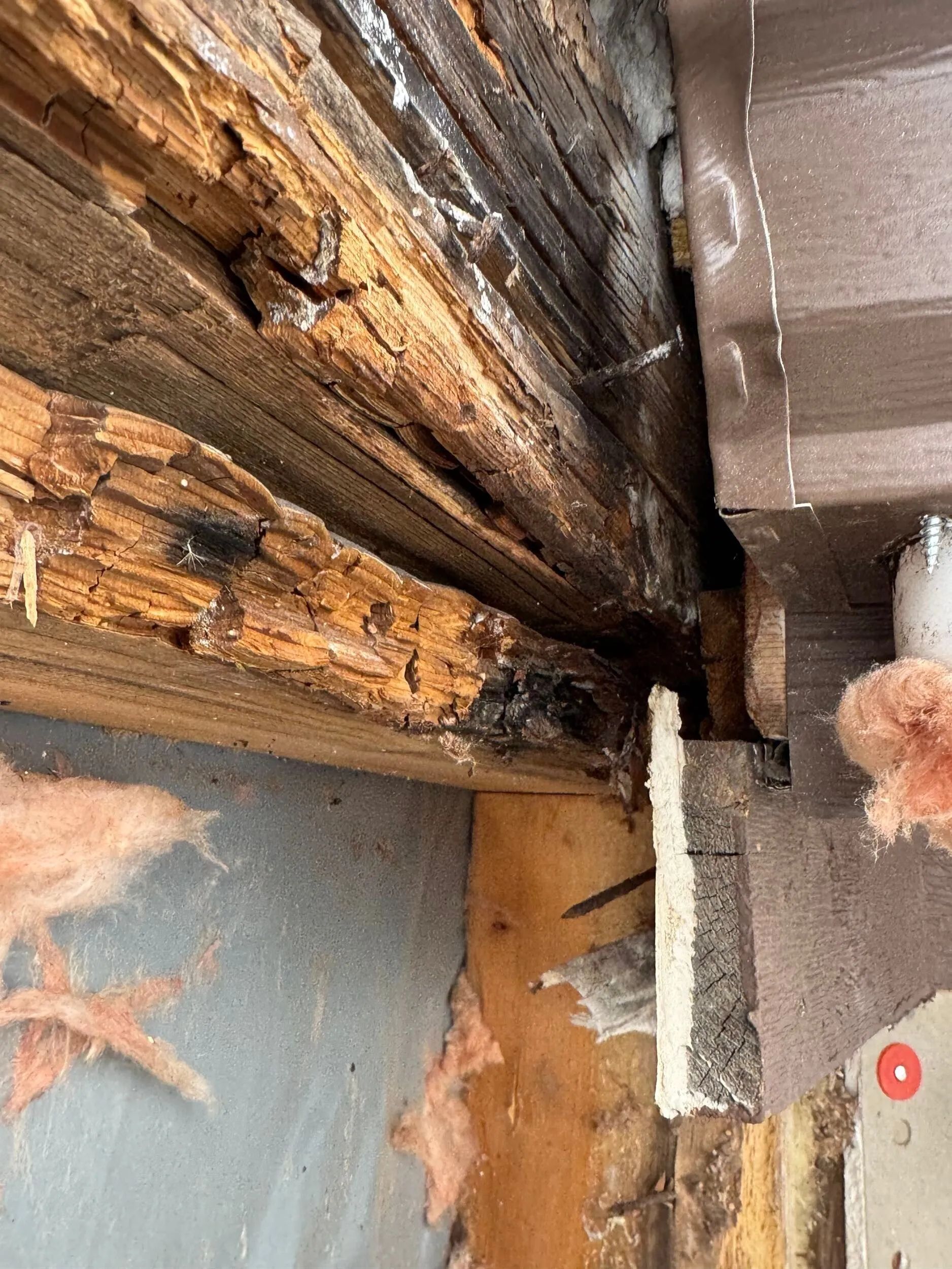
Persistent leaks can saturate wooden components of the roof structure, including rafters, trusses, and sheathing. Wood exposed to moisture for extended periods begins to decay, compromising the roof’s load-bearing capacity. Untreated rot can spread to adjacent structural areas, requiring extensive replacement work. Homeowners may not notice this hidden damage until significant sagging, cracking, or ceiling discoloration appears, at which point repair costs can escalate dramatically.
Mold and Health Concerns
Moist environments created by leaks encourage mold growth. Mold not only damages wood, drywall, and insulation but also poses health risks, including respiratory issues and allergic reactions. In some cases, toxic mold species can develop, necessitating professional remediation and replacement of contaminated materials. Preventing leaks through timely roof replacement is far less costly and hazardous than dealing with mold infestations after the fact.
The Financial Implications of Delayed Roof Replacement
Rising Repair Costs Over Time
Delaying roof replacement often leads to a chain reaction of repairs, each more expensive than the last. For example, a minor leak ignored for several months can result in water-damaged ceilings, rotting roof decking, and compromised insulation. Repairing each component separately may be three to four times the cost of a comprehensive roof replacement. Homeowners may also face emergency repair expenses after storms, further increasing the financial burden.
Reduced Home Value and Insurance Challenges
An aging roof can negatively impact your home's resale value. Potential buyers factor in roof condition when determining property worth, and a roof nearing the end of its life often translates into a lower offer. Moreover, insurance companies may increase premiums or deny claims for damage caused by a neglected roof. Homeowners in the Twin Cities area should recognize that investing in timely roof replacement preserves both financial equity and coverage reliability.
Energy Inefficiency
Older roofs with compromised insulation contribute to heat loss during winter and overheating in summer. This inefficiency increases energy bills and strains HVAC systems. Replacing the roof and ensuring proper insulation and ventilation helps maintain consistent indoor temperatures and reduces utility costs, offering both immediate and long-term financial benefits.
Common Structural Problems from Delayed Replacement
Ceiling and Wall Damage
Water from roof leaks can trickle down into ceilings and walls, causing paint peeling, stains, and weakened drywall. Over time, these cosmetic issues can evolve into structural damage, including sagging ceilings or warped walls. Repairing compromised interior components alongside the roof replacement increases project complexity and costs.
Foundation Stress
Though less obvious, continuous water penetration can eventually affect a home’s foundation. Water seeping into crawl spaces or basements can erode soil, promote frost heaving, or increase hydrostatic pressure against foundation walls. Proactive roof replacement prevents water accumulation in vulnerable areas, protecting structural integrity beyond the immediate roof system.
Compromised Attic and Ventilation
Leaks and water damage can impact attic framing and ventilation systems. Poor ventilation increases moisture buildup, accelerates material decay, and fosters mold growth. Timely roof replacement ensures proper ventilation, structural support, and long-term durability, minimizing the risk of secondary problems throughout the home.
Best Practices for Timely Roof Replacement
Regular Roof Inspections
Scheduling annual or semi-annual roof inspections can identify early signs of damage, such as loose shingles, minor leaks, or flashing deterioration. Inspections by certified professionals provide actionable recommendations and help homeowners plan replacement timelines, reducing the likelihood of emergency repairs.
Prioritize Weather-Resistant Materials
In the Twin Cities, selecting roofing materials designed for extreme weather conditions is essential. Asphalt shingles with high wind and freeze-thaw resistance, metal roofing, or composite materials can extend lifespan and withstand seasonal challenges. Material choice should align with local climate considerations, maintenance expectations, and long-term performance goals.
Plan Replacement Before Critical Damage
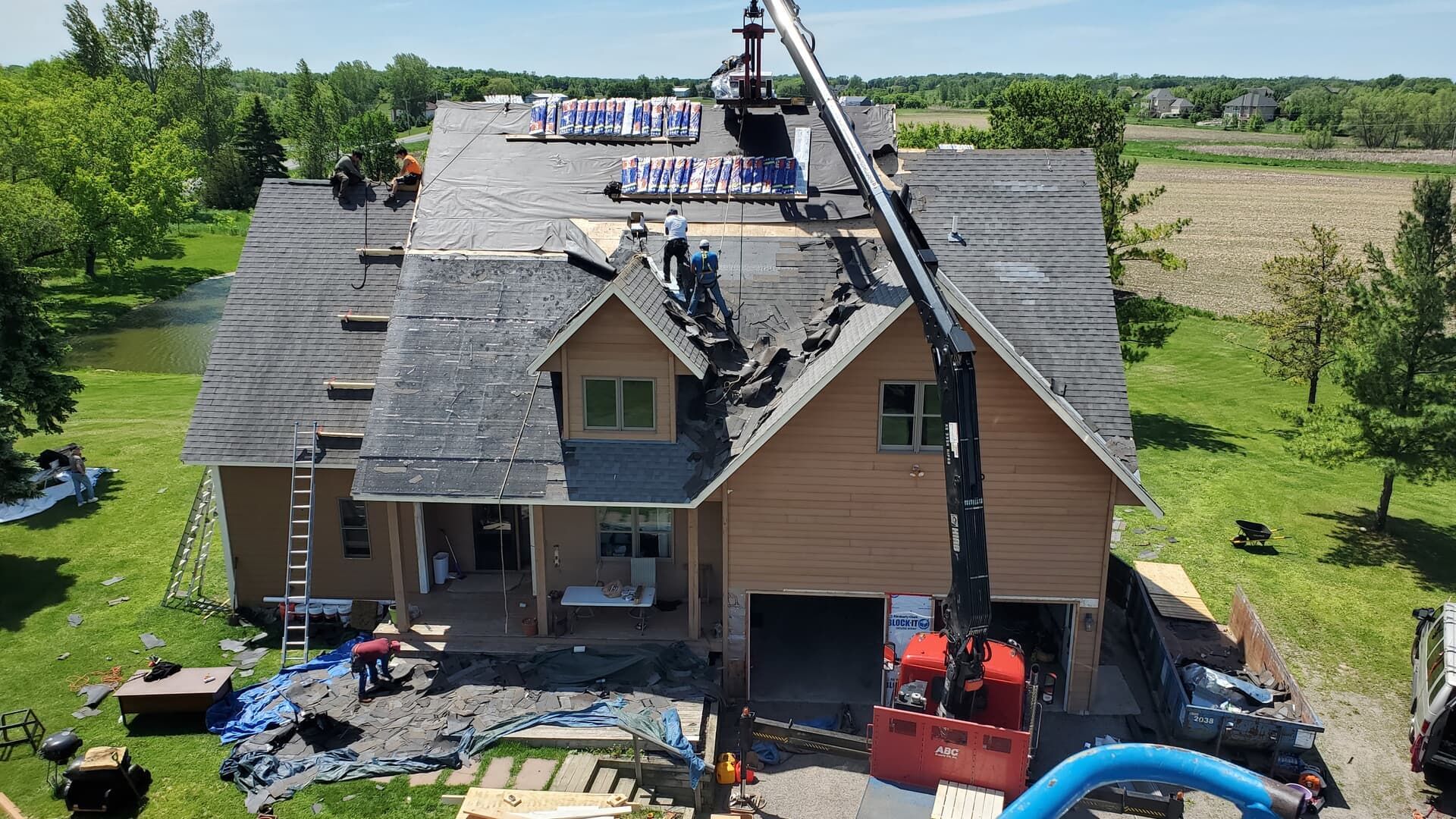
Proactively replacing a roof before visible structural damage occurs is the most cost-effective approach. Homeowners should consider roof age, manufacturer lifespan, and signs of wear when deciding on replacement. Planning ahead also allows for better budgeting, scheduling, and coordination with contractors, ensuring a smooth transition with minimal disruption.
Partner with Trusted Professionals
Working with experienced roofing contractors ensures high-quality installation and adherence to building codes. Skilled professionals can detect underlying issues, recommend optimal materials, and provide warranties for peace of mind. Investing in expertise during replacement minimizes the risk of post-installation problems and enhances overall home protection.
Trusted Construction Experts for Comprehensive Roof Replacement
Delaying roof replacement in the Twin Cities area carries consequences far beyond the immediate cost of a new roof. Minor leaks can evolve into water-damaged insulation, structural rot, mold growth, and even foundation stress. Ignoring early warning signs often results in compounded repair expenses, reduced home value, and potential health risks. By understanding the progression of damage and the financial implications of postponement, homeowners can make informed decisions that protect both their property and their long-term investment. Proactive inspections, timely replacements, and expert guidance are essential strategies to mitigate risk and ensure structural integrity.
Roselynn Builders, based in Blaine, Minnesota, brings over 50
years of experience in whole home construction and remodeling, making them a trusted authority on home preservation and improvement. Their team combines deep industry knowledge with meticulous craftsmanship, ensuring that every roof replacement and construction project prioritizes durability, safety, and aesthetic excellence. By leveraging decades of expertise, we guide homeowners through proactive maintenance, material selection, and professional installation. Choosing Roselynn Builders
means investing in reliable protection for your home, peace of mind for your family, and long-term value for your property. With their commitment to quality and integrity, every project reflects a standard of excellence that has been refined over half a century.