How Minnesota's Harsh Winters Impact Your Roof and Siding (And What Homeowners Can Do)
February 28, 2026
Ice Dams: Formation, Risks, and Prevention
How Ice Dams Develop
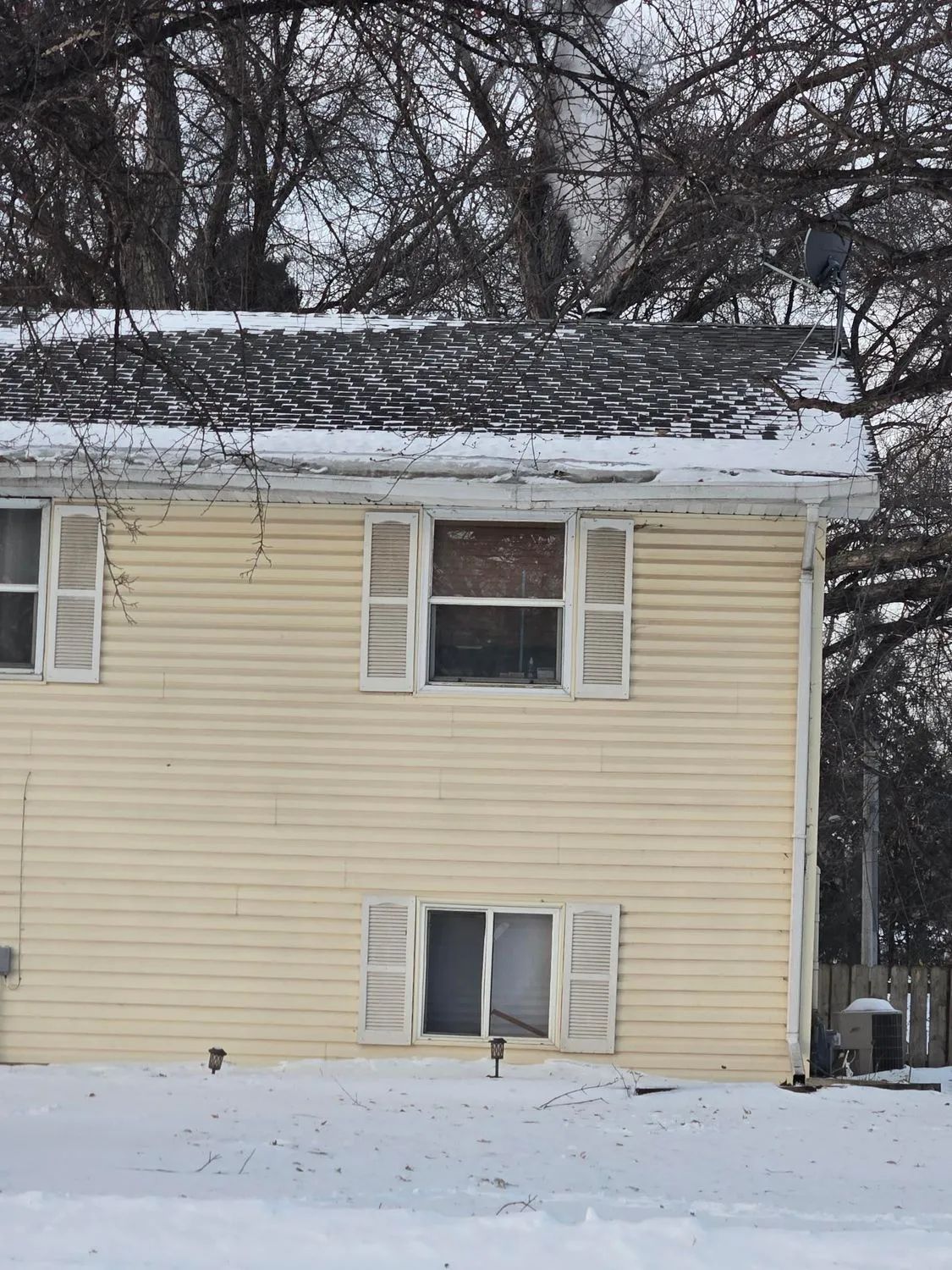
Ice dams are one of the most common winter roofing issues in Minnesota, particularly in older homes with inconsistent insulation levels. They form when warm air from the attic melts snow on the upper portion of the roof. As melted water flows downward, it refreezes near the colder eaves, creating a ridge of ice. This barrier traps additional water behind it, forcing moisture under shingles and into the home’s vulnerable structural components.
Damage Caused by Ice Dams
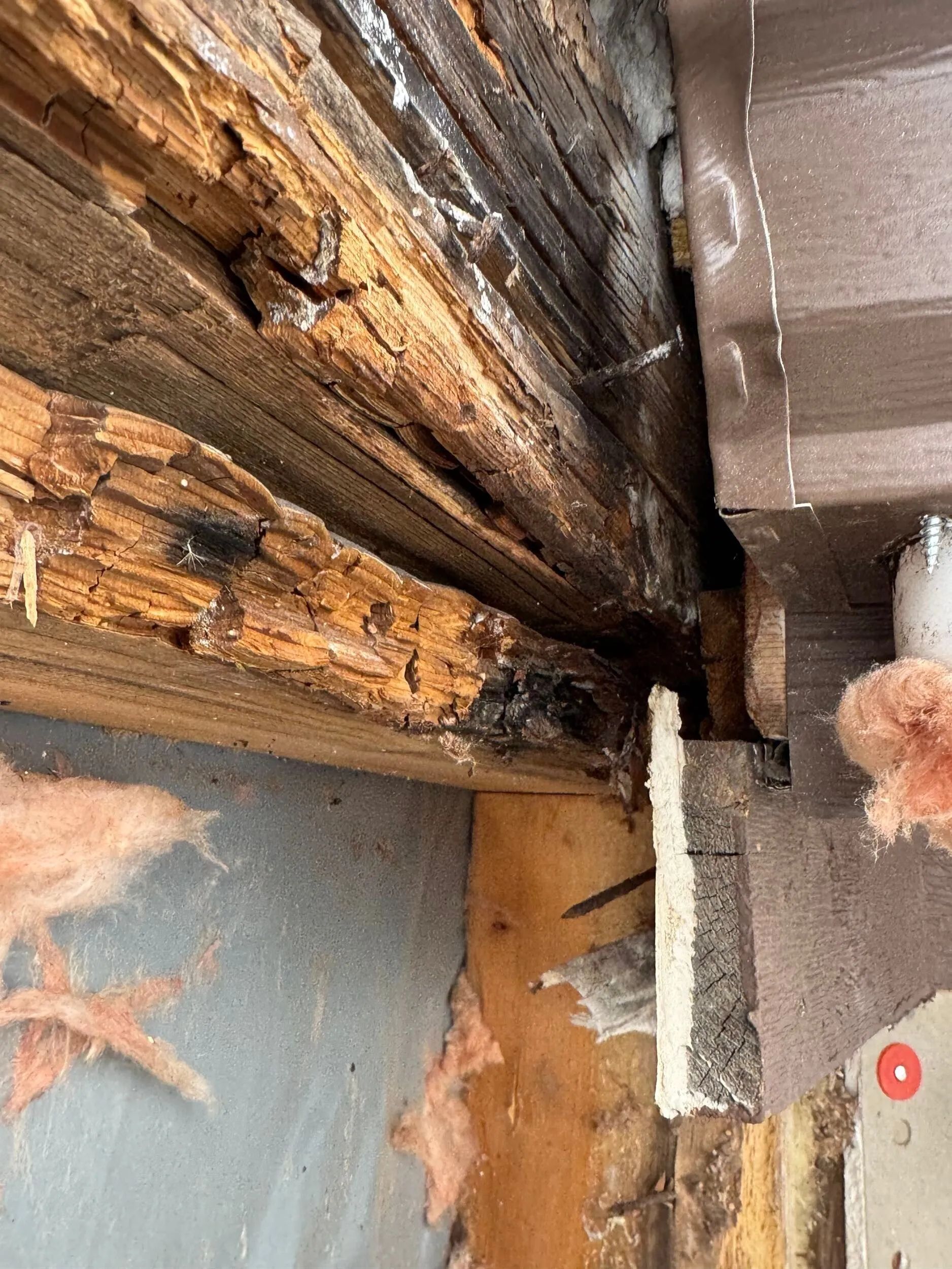
When water infiltrates beneath roofing materials, it can soak insulation, stain ceilings, damage drywall, and compromise structural framing over time. Prolonged exposure may lead to mold growth and wood rot, especially in poorly ventilated attic spaces. Even small ice dams can result in thousands of dollars in interior repairs and long-term structural deterioration.
Prevention Strategies
Proper attic insulation and ventilation are the most effective defenses against recurring ice dam formation during winter. By maintaining a consistent roof surface temperature, homeowners reduce uneven melting across vulnerable roof sections. Air sealing around recessed lighting and attic penetrations also prevents heat escape and improves overall energy efficiency. Installing ice and water shield membranes beneath shingles adds an extra layer of protection in vulnerable areas prone to leaks.
Freeze-Thaw Cycles and Material Deterioration
The Science Behind Freeze-Thaw Damage
Minnesota frequently experiences temperature fluctuations around the freezing point throughout extended winter months. Water enters small cracks in siding, masonry, and roofing materials during periods of snowmelt or rainfall. When temperatures drop, the water freezes and expands, widening those cracks and weakening surrounding materials. Repeated cycles accelerate deterioration and gradually reduce overall structural integrity.
Effects on Roofing Systems
Asphalt shingles can become brittle in extreme cold, particularly after several years of weather exposure. Freeze-thaw stress may cause cracking, curling, or granule loss across the roof surface. Flashing around chimneys and vents can separate as materials expand and contract at different rates during temperature swings. Over time, these small vulnerabilities create entry points for moisture intrusion and hidden water damage.
Effects on Siding and Exterior Surfaces
Vinyl siding can warp or become brittle in subzero temperatures, especially during sudden cold snaps. Wood siding may absorb moisture, swell, and split if protective finishes have deteriorated. Fiber cement products can crack if water intrusion occurs before freezing within small surface openings. Even brick exteriors are not immune; mortar joints can deteriorate due to expansion pressure and seasonal stress.
Mitigation Techniques
Routine fall inspections help identify cracks or gaps before winter arrives and conditions worsen. Sealing joints, repainting exposed wood, and replacing damaged caulking significantly reduce freeze-thaw risks around the home’s exterior envelope. Choosing high-quality, climate-rated materials during replacement projects ensures better resilience and longer service life.
Snow Loads and Structural Stress
Weight Accumulation on Roofs
Snow may look light and fluffy, but wet, compacted snow is significantly heavier than most homeowners expect. A cubic foot of snow can weigh between 10 and 20 pounds, and ice weighs even more under sustained freezing conditions. When snow accumulates over multiple storms, the load can stress roof decking and framing systems beyond intended limits.
Warning Signs of Excessive Snow Load
Interior ceiling cracks, sticking doors, bowing rafters, and unusual creaking noises may indicate structural strain developing within the home. Flat and low-slope roofs are particularly vulnerable because snow does not slide off easily during warmer daytime temperatures. Ignoring these warning signs can lead to costly structural repairs or partial roof collapse.
Ice Weight on Gutters and Eaves
Ice buildup along roof edges can pull gutters away from fascia boards and loosen fasteners. Detached gutters allow melting snow to drain improperly, increasing the risk of foundation and siding damage. Excessive ice weight may also bend metal components or create hazardous falling debris.
Best Practices for Snow Management
Using a roof rake to safely remove snow from the ground level can reduce excessive loads during heavy snowfall periods. Professional snow removal services are advisable for steep or high roofs where safety risks increase. Ensuring roof structures meet local building codes for snow load capacity is essential during construction or renovation projects.
Common Winter Material Failures in the Twin Cities Climate
Asphalt Shingle Wear
Prolonged exposure to freezing temperatures reduces shingle flexibility and accelerates aging in asphalt-based roofing systems. Combined with wind-driven snow, shingles may loosen or tear along vulnerable roof edges. Granule loss becomes more visible after winter, leaving shingles vulnerable to UV damage in spring and summer.
Metal Roofing Considerations
Metal roofs shed snow efficiently, but improper installation can lead to fastener loosening during expansion and contraction cycles. Snow guards may be required to prevent sudden snow slides that endanger people or landscaping below the roofline. Regular inspections help ensure fasteners remain tight and panels properly aligned.
Siding Failures
Vinyl siding may crack after impact from falling ice chunks or wind-driven debris. Wood siding without proper sealing can absorb moisture and deteriorate rapidly during prolonged freeze-thaw exposure. Fiber cement performs well but must be properly installed with appropriate clearances to prevent moisture wicking and edge damage.
Windows, Trim, and Flashing
Improperly sealed window trim allows water infiltration during thaw cycles and heavy snowmelt runoff. Flashing that was inadequately installed or aged can separate under thermal movement and shifting materials. These smaller failures often precede more significant structural issues requiring extensive exterior repairs.
Proactive Maintenance and Long-Term Protection
Seasonal Inspection Planning
Scheduling roof and siding inspections in late fall and early spring allows homeowners to identify vulnerabilities before and after peak winter stress periods. Professional assessments often detect issues not visible from ground level or casual observation. Early intervention significantly reduces repair costs and prevents progressive structural damage.
Upgrading Insulation and Ventilation
Balanced attic ventilation prevents heat buildup that contributes to ice dams and uneven roof temperatures. Adequate insulation minimizes energy loss and maintains consistent roof surface conditions during extreme cold. Together, these upgrades reduce both structural risk and heating costs throughout winter months.
Investing in Durable Materials
Choosing impact-resistant shingles, engineered siding products, and high-performance underlayment materials provides added protection against severe winter conditions. Products rated for northern climates are specifically tested for freeze-thaw durability and snow load resistance. Investing in premium materials often extends replacement cycles and improves long-term home value.
Emergency Preparedness
Homeowners should know how to safely manage minor winter issues before they escalate. Clearing visible ice from downspouts, monitoring attic humidity levels, and addressing small leaks immediately prevent larger failures. Having a trusted contractor on call ensures rapid response during severe winter events and unexpected damage.
Trusted Winter Protection Backed by Experience
Minnesota’s harsh winters present real and recurring challenges for residential roofing and siding systems. Ice dams, freeze-thaw cycles, heavy snow loads, and material fatigue all contribute to long-term deterioration if left unaddressed. While winter damage may seem inevitable, most structural problems stem from preventable vulnerabilities such as poor insulation, inadequate ventilation, aging materials, or delayed maintenance.
By understanding how extreme cold and moisture interact with building components, homeowners can take practical steps to safeguard their properties. Routine inspections, timely repairs, climate-appropriate materials, and professional guidance dramatically reduce the risk of costly emergency repairs. Winter resilience is not accidental; it is the result of informed decisions and proactive care. Protecting your home’s exterior today ensures structural stability, energy efficiency, and peace of mind throughout Minnesota’s demanding winter seasons.
Roselynn Builders, a Whole Home Construction & Remodeling company based in Blaine, Minnesota, brings 50
years of hands-on experience addressing the unique challenges of northern climates. With decades of expertise in roofing systems, siding installation, insulation upgrades, and full-scale remodeling, the company understands exactly how Minnesota winters impact residential structures. Their team applies time-tested building practices combined with modern materials engineered for freeze-thaw durability and heavy snow performance. From preventative inspections to complete exterior renovations, Roselynn Builders
approaches every project with precision, craftsmanship, and long-term protection in mind. Homeowners seeking reliable solutions benefit from their deep knowledge of regional weather patterns and structural demands. When winter places stress on your roof or siding, partnering with an experienced construction professional ensures your home remains strong, efficient, and protected for decades to come.