Remodeling vs. Moving in Greater Minnesota: Which Makes More Financial Sense in 2026?
April 26, 2026
In 2026, homeowners across Greater Minnesota are facing a pivotal financial decision: invest in remodeling an existing home or enter a highly competitive real estate market in search of a new one. With rising interest rates, limited housing inventory, and increasing construction costs, the traditional assumption that moving is the better long-term investment is no longer universally true. Instead, many homeowners are reevaluating the value of improving what they already own, especially as property values continue to rise throughout the Twin Cities and surrounding regions. This shift is also being driven by economic uncertainty and a growing desire for financial stability, prompting homeowners to carefully weigh every major expense. As a result, remodeling is increasingly viewed not just as an upgrade, but as a strategic investment in both comfort and equity.
The decision between remodeling and moving goes beyond simple cost comparison. It involves evaluating lifestyle needs, long-term financial goals, emotional attachment, and market timing. Remodeling offers the opportunity to customize a home without the stress of relocation, while moving may provide access to better locations or upgraded amenities. Understanding the financial implications of both options is critical in making an informed decision. This blog explores key factors influencing this choice in Greater Minnesota, offering practical insights to help homeowners determine which path delivers the greatest value in today’s evolving housing landscape. By examining both financial and personal considerations, homeowners can better align their decisions with future plans. Taking a proactive, informed approach ensures that the chosen path supports both immediate needs and long-term financial well-being.
1. Understanding the 2026 Housing Market in Greater Minnesota
Rising Home Prices and Limited Inventory
The Greater Minnesota housing market in 2026 continues to reflect tight inventory levels, particularly in and around the Twin Cities. Demand remains strong, driven by population stability, job opportunities, and lifestyle appeal. However, fewer available homes have pushed prices upward, making entry into the market more expensive than in previous years.
Buyers are often competing in multiple-offer scenarios, leading to inflated purchase prices. This increases not only the upfront investment but also long-term financial commitments, especially when combined with higher mortgage rates. As a result, moving may require stretching budgets or compromising on preferences.
Interest Rates and Financing Challenges
Mortgage interest rates remain a critical factor influencing affordability. Even a small increase in rates significantly impacts monthly payments over time. For homeowners considering a move, this can translate into thousands of dollars in additional interest over the life of a loan.
In contrast, remodeling projects can often be financed through home equity loans or lines of credit, typically offering more flexible and sometimes lower-cost borrowing options. This financial accessibility makes remodeling an attractive alternative for many homeowners.
2. Financial Breakdown: Remodeling vs. Moving
Cost of Moving: Beyond the Purchase Price
Moving involves more than just buying a new home. Additional expenses include real estate agent commissions, closing costs, moving services, inspections, and potential renovations in the new property. These costs can add up to 8–12% of the home’s value.
Furthermore, homeowners may face increased property taxes and higher insurance premiums in a new location. When combined with higher mortgage rates, the total cost of moving can exceed initial expectations significantly.
Remodeling Costs and Return on Investment
Remodeling costs vary depending on the scope of the project, but strategic upgrades can offer strong returns. Kitchen renovations, bathroom upgrades, and energy-efficient improvements consistently rank among the highest-value investments.
Unlike moving, remodeling allows homeowners to control expenses by prioritizing projects and phasing work over time. This flexibility reduces financial strain and aligns spending with budget goals. Additionally, well-executed renovations can increase property value, providing long-term financial benefits.
Equity Utilization as a Financial Advantage
Many homeowners in Greater Minnesota have built significant equity due to rising home values. Remodeling allows access to this equity without selling the property. This approach avoids transaction costs while leveraging existing investments to enhance living conditions.
3. Lifestyle Considerations and Long-Term Value
Customization vs. Compromise
One of the most significant advantages of remodeling is the ability to tailor a home to specific needs. Whether it involves creating open-concept living spaces, adding a home office, or upgrading outdated features, remodeling delivers personalized results.
Moving, on the other hand, often requires compromise. Even newly purchased homes may not fully align with preferences, leading to additional renovation costs after the move. This can diminish the perceived benefits of relocating.
Emotional and Community Connections
Homeownership is not purely financial; emotional factors play a crucial role. Many homeowners have strong ties to neighborhoods, schools, and communities. Moving disrupts these connections and introduces uncertainty.
Remodeling preserves these relationships while enhancing comfort and functionality. For families deeply rooted in their communities, this stability adds intangible value that cannot be easily quantified.
Space Optimization vs. Relocation
A common reason for moving is the need for more space. However, remodeling can often address this issue through additions, basement finishing, or reconfiguring existing layouts. These solutions provide increased functionality without the complexities of relocation.
4. Risks and Challenges of Each Option
Remodeling Challenges
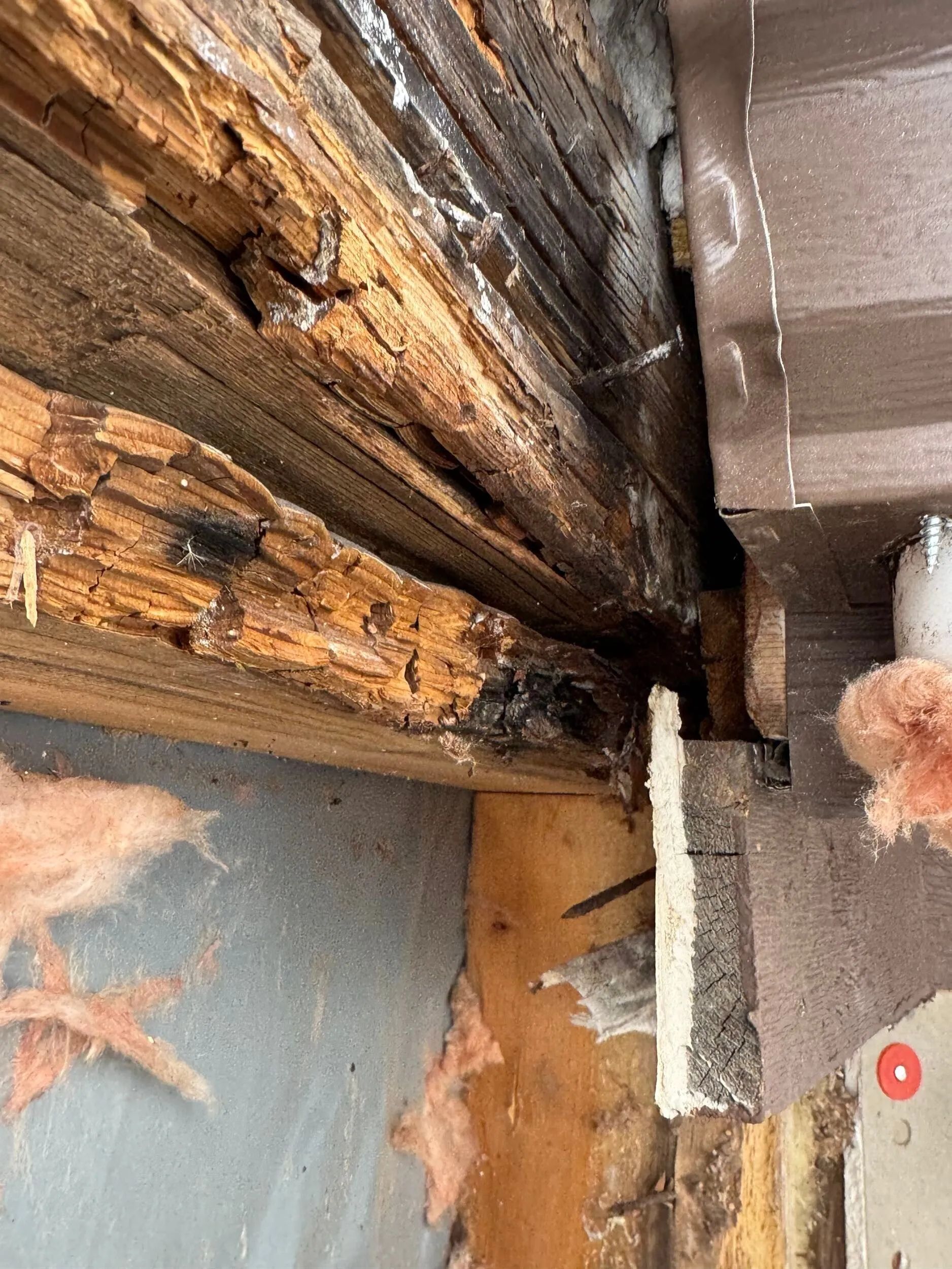
While remodeling offers numerous benefits, it is not without challenges. Projects can encounter delays, budget overruns, and unexpected structural issues. Careful planning and working with experienced professionals are essential to mitigate these risks.
Additionally, living in a home during renovations can be disruptive. Noise, dust, and temporary loss of functionality require patience and adaptability. However, these inconveniences are typically short-term compared to the long-term benefits gained.
Moving Risks in a Competitive Market
Moving in a competitive market carries its own set of risks. Overpaying for a property is a common concern, particularly when buyers feel pressured to act quickly. This can lead to financial strain and potential regret.
There is also the risk of timing the market incorrectly. Selling a current home and purchasing a new one simultaneously can be complex, especially when inventory is limited. Delays or mismatches in timing can result in temporary housing costs or rushed decisions.
Hidden Costs and Uncertainty
Both options involve hidden costs. Remodeling may uncover structural issues, while moving may reveal unexpected maintenance needs in a new home. Conducting thorough assessments and budgeting for contingencies is crucial in either scenario.
5. Strategic Decision-Making: How to Choose the Right Path
Evaluating Financial Goals
The decision between remodeling and moving should begin with a clear understanding of financial goals. Homeowners should consider long-term plans, including how long they intend to stay in the home and how much value improvements will add.
If the goal is to maximize return on investment while maintaining stability, remodeling often presents a more favorable option. Conversely, if relocation aligns with career or lifestyle changes, moving may be justified despite higher costs.
Assessing Market Conditions
Market conditions play a significant role in determining the best course of action. In a seller’s market with high prices and low inventory, remodeling becomes increasingly attractive. Waiting for more favorable conditions may also be a strategic approach for those considering a move.
Consulting Industry Professionals
Seeking guidance from experienced professionals is essential. Contractors, real estate agents, and financial advisors provide valuable insights into costs, timelines, and potential returns. This collaborative approach ensures informed decision-making.
Creating a Cost-Benefit Analysis
A detailed cost-benefit analysis helps clarify the financial implications of each option. This includes comparing remodeling expenses with the total cost of moving, factoring in both immediate and long-term impacts.
By analyzing these factors comprehensively, homeowners can make decisions that align with both financial and lifestyle objectives.
6. Best Practices for Maximizing Value
Prioritizing High-Impact Renovations
Focusing on renovations that deliver the highest return is key. Kitchens, bathrooms, and energy-efficient upgrades consistently provide strong value. These improvements enhance both daily living and resale potential.
Planning for Future Needs
Remodeling projects should account for future requirements, such as aging in place or accommodating growing families. Designing with flexibility ensures long-term usability and avoids the need for additional costly changes later.
Budgeting and Contingency Planning
Establishing a realistic budget and including a contingency fund is critical. Unexpected expenses are common in both remodeling and moving scenarios. Proper financial planning minimizes stress and ensures project completion.
Timing and Project Management
Careful timing can significantly impact costs. Scheduling renovations during off-peak seasons may reduce expenses, while strategic timing in the real estate market can improve buying or selling outcomes.
Effective project management ensures that timelines and budgets remain on track, maximizing overall value.
Building Trust Through Decades of Remodeling Excellence
At Roselynn Builders, we bring over 50 years of hands-on experience in whole-home construction and remodeling, helping homeowners make confident, financially sound decisions about their living spaces. Based in Blaine, Minnesota, we understand the unique challenges and opportunities within the Greater Minnesota housing market. Our approach focuses on delivering tailored solutions that align with both lifestyle goals and long-term property value.
We specialize in transforming existing homes into highly functional, modern spaces through strategic design and expert craftsmanship. From full-scale renovations to targeted upgrades, we guide every project with precision, transparency, and a deep commitment to quality. Our experience allows us to identify cost-effective solutions that maximize return on investment while enhancing everyday comfort.
We believe remodeling is more than construction—it is an opportunity to reimagine how a home supports daily life. By combining industry knowledge with a client-focused approach, we help homeowners avoid unnecessary relocation costs and instead unlock the full potential of their current property.