The Most Durable Roofing and Siding Materials for Twin Cities Homes
August 30, 2026
Quick Answer: Standing-seam metal roofing and fiber cement siding are the two toughest exterior materials for a Twin Cities home, and both are built to shrug off freeze-thaw cycling, hail, and the wind gusts that ride in ahead of a Minnesota storm front. Metal roofing typically lasts 45 to 60-plus years and takes a hail strike as a cosmetic dent instead of a crack, while Class 4 impact-rated asphalt shingles close most of that gap at a fraction of the weight and cost of replacement, running 22 to 27 years in this climate. Fiber cement siding resists the swelling, splitting, and rot that plague wood, and it passes the same UL 2218 hail testing used on Class 4 shingles without cracking. Vinyl siding holds up fine in mild weather but turns brittle below freezing and needs cold-weather installation technique to avoid cracking through the winter. Composite siding is the newest material on this list, built from polymer resins and minerals that resist moisture and impact without the periodic upkeep fiber cement sometimes asks for.
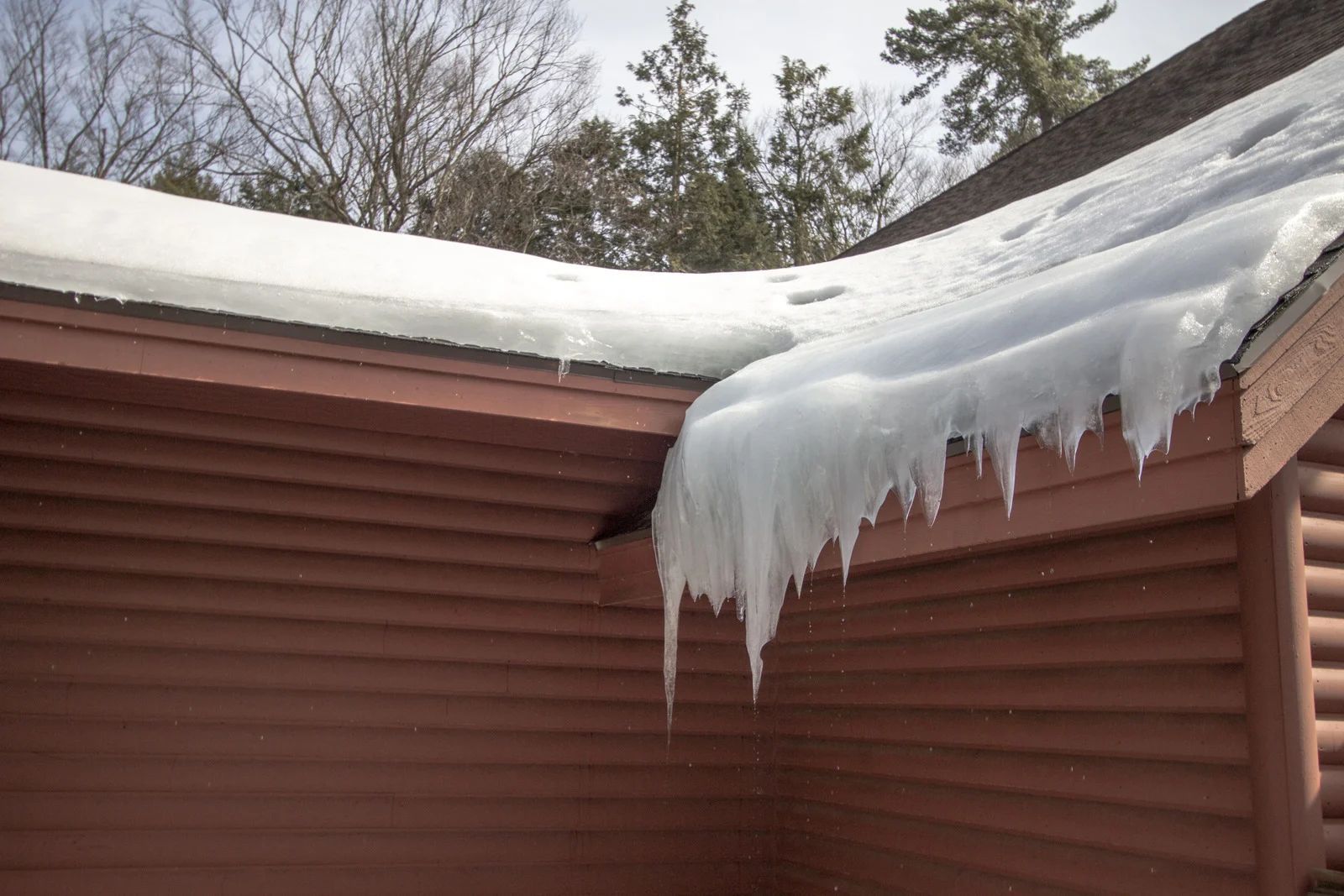
You've probably noticed the pattern if you've lived through more than a few winters here: shingles that curled two summers after installation, a siding panel that popped loose the first hard cold snap, an ice dam that formed almost overnight and left a stain crawling across the ceiling. Minnesota doesn't test exterior materials gently. Between January mornings well below zero and July hailstorms rolling off the plains, your roof and siding cycle through more freeze-thaw stress and more violent weather swings in a single year than most of the country sees in five.
That gap is exactly why the material you choose matters more here than almost anywhere else. Some products that perform beautifully in Arizona or Georgia fall apart fast against Minnesota's swings. Others were practically made for it. Here's how the five most common roofing and siding materials actually hold up once winter and hail season get their hands on them.
What "Durable" Actually Means in This Climate
Durability in the Twin Cities isn't one thing. It's three things happening at once, and a material has to survive all three to earn the label.
Freeze-Thaw Cycling
Water gets into tiny gaps in a material, freezes, expands, and forces the gap wider. Repeat that fifty or sixty times a winter and a material that can't flex or shed moisture starts to fail from the inside.
Hail Impact
The industry test for this is UL 2218, which drops steel balls of increasing weight onto a sample and checks for cracking. Class 4 is the top rating, and it's the one that matters if you've watched hail strip a neighbor's roof down to bare felt.
Wind Load
Straight-line wind gusts during a summer storm front can rival a low-end tornado. A shingle or siding panel rated for 90 mph wind isn't the same product as one rated for 130.
A material only counts as durable in this climate if it holds up against all three, not just one.
Asphalt Shingles: Where Class 4 Changes the Equation
Standard architectural asphalt shingles are still the roof on most Twin Cities homes, and for good reason. They're proven, they install fast, and modern versions have closed a lot of ground on their more expensive rivals.
Lifespan
A typical architectural shingle runs 22 to 27 years in Minnesota conditions. That's shorter than metal, but it's a real number backed by decades of local roofs, not a marketing claim.
Hail Performance
This is where the shingle you pick actually matters. Standard shingles carry no impact rating and split under a direct hit from golf-ball-sized hail. Class 4 shingles use SBS polymer-modified asphalt, the same rubberized additive that gives the material flex instead of brittleness, and they're built to bend under a hail strike and spring back rather than crack.
Wind Rating
Modern architectural shingles are commonly rated between 110 and 130 mph, enough to handle most straight-line wind events that roll through the metro.
Cold-Weather Flex
Class 4's added flexibility also helps in January. Standard shingles get stiffer and more prone to curling and cracking as temperatures drop; the polymer-modified versions resist that stiffening.
If your asphalt shingle roof is due for replacement, upgrading to Class 4 is one of the few roofing decisions that pays off almost entirely in durability, not just looks.
Standing-Seam Metal: Roughly Double the Lifespan
Metal roofing sits at the top of the durability list for one simple reason: it doesn't have the seams and granules that give hail, ice, and wind something to work with.
Lifespan
Standing-seam steel commonly lasts 45 to 60-plus years, roughly double what an asphalt roof delivers.
Hail Performance
A hailstone that would crack a standard shingle leaves a metal panel with a dent and nothing more. The roof keeps shedding water; it just looks a little different up close.
Wind Rating
Standing-seam systems are commonly rated above 140 mph, which is more wind resistance than the Twin Cities typically needs, but it's a wide margin of safety during a severe storm.
Freeze-Thaw And Ice Dams
This is the detail most homeowners miss. Water sheds through sealed, raised seams instead of backing up through nail holes and shingle gaps, which is exactly the mechanism that lets ice dams work water back under a shingle roof. A well-installed metal roof largely removes that pathway.
TIP: If your home has a low-slope section, a dormer valley, or an area that collects snow against a wall, that's where ice dams form first regardless of roofing material. Have those specific spots checked each fall before the snow starts piling up.
Fiber Cement Siding: Standing Up to Freeze-Thaw Without Cracking
Fiber cement is a blend of cement, sand, and cellulose fibers pressed into a dense, dimensionally stable panel, and that composition is what makes it perform so well through a Minnesota winter.
Freeze-Thaw Stability
Its thermal expansion coefficient runs roughly a tenth of vinyl's, meaning it barely moves as temperatures swing. When ice forms in a gap or seam, fiber cement resists the splitting and cracking that would show up on a more brittle material.
Moisture Absorption
Fiber cement absorbs somewhere around 6 to 10 percent of its weight in water after a 24-hour soak, compared to 20 to 30 percent for untreated wood. That lower absorption rate is what keeps it from swelling, warping, or developing the micro-fractures that come from repeatedly frozen moisture.
Rot And Pest Resistance
Because it isn't organic material the way wood is, fiber cement doesn't rot, and it isn't a food source for insects.
Impact Resistance
Many fiber cement products carry the same Class 4 UL 2218 rating as top-tier shingles, meaning they can take a golf-ball-sized hail strike without cracking.
If your siding is showing cracked or warped panels after a few rough winters, fiber cement is one of the few upgrades that actually solves the underlying problem instead of just delaying it.
Vinyl Siding: Solid Performance With a Cold-Weather Catch
Vinyl siding isn't a bad material for this climate. It's a material that needs to be installed correctly for this climate, and that distinction matters more here than almost anywhere else in the country.
Cold Brittleness
Between 20 and 40 degrees, vinyl gets noticeably stiffer and less forgiving. A panel that would flex under a knock in July can crack under the same impact in January.
Thermal Contraction
Vinyl panels can shrink by as much as half an inch between summer and winter temperatures. That's a real amount of movement, and the siding has to be fastened loosely enough to let it happen.
Installation-Driven Failure
Most vinyl cracking in this climate traces back to installation, not the material itself. Panels nailed too tight in cold weather have nowhere to expand when summer comes, which shows up as buckling, waviness, or cracks at the nail heads and panel edges.
When Installed Right
With proper cold-weather technique and fastening left loose enough for seasonal movement, vinyl holds its designed lifespan and handles freezing temperatures without issue.
WARNING: Vinyl siding installed during a cold snap by a crew unfamiliar with cold-weather fastening technique is one of the more common causes of siding failure we see reported in this region. If you're having vinyl installed in fall or winter, ask specifically how the crew accounts for cold-weather expansion before work begins.
Composite Siding: Engineered to Ignore the Weather
Composite siding is the newer entry on this list, built from a blend of inorganic minerals, polymer resins, and acrylic colorants rather than cement or wood fiber.
Moisture Resistance
The polymer-based composition is highly water-resistant and doesn't swell or warp the way fiber cement occasionally can if moisture works its way in through an unsealed cut edge.
Impact Resistance
Composite is more flexible than fiber cement, which makes it less prone to cracking or chipping during installation or from a stray impact, like a ladder bumping the wall or a hailstone catching it at an angle.
Maintenance
Because the material has no organic content to feed rot or insects and doesn't need repainting, composite siding needs little beyond an occasional rinse with a garden hose.
Long-Term Performance
Composite is engineered to resist deterioration over decades rather than years, which puts it in the same conversation as fiber cement and metal roofing for long-haul durability, just with a different set of trade-offs around flexibility and weight.
Matching the Material to Your Home's Exposure
No single material is automatically the right call for every house on the same block. A steep roof pitch sheds hail and snow load faster than a low-slope section, which changes how much impact resistance actually matters for your specific roof. A west-facing wall that takes the brunt of wind-driven rain and hail needs a different level of toughness than a sheltered, tree-shaded side of the house. North-facing siding that stays shaded and damp longer after a storm benefits more from a material with strong moisture resistance than one that's mainly rated for impact.
The right approach starts with an honest look at how your specific roof and walls take weather, not just a general material comparison. A roof with a lot of valleys and dormers is more vulnerable to ice dams regardless of shingle quality. A home with mature trees overhead deals with more debris impact than wind impact. Matching the material to the exposure is what actually extends the life of the work, more than any single spec sheet number.
Frequently Asked Questions
Which roofing material handles Minnesota hail best?
Standing-seam metal roofing takes hail impact as a cosmetic dent without losing function, making it the most hail-resistant option. Class 4 impact-rated asphalt shingles are the strongest performer among shingle products, built with SBS polymer-modified asphalt that flexes under a hail strike instead of cracking.
How long does standing-seam metal roofing actually last in this climate?
Most standing-seam steel roofs last 45 to 60-plus years in Minnesota conditions, roughly double the lifespan of architectural asphalt shingles. Its sealed-seam design also removes the main pathway ice dams use to force water under the roofing material.
Does vinyl siding crack in Minnesota winters?
It can, but the cause is usually installation rather than the material itself. Vinyl gets stiff and brittle below freezing, and panels fastened too tightly during cold-weather installation have no room to expand when temperatures rise, which leads to cracking at the nail heads and panel edges.
Is fiber cement siding worth considering for a Twin Cities home?
Yes, particularly if your current siding is cracking, warping, or showing signs of moisture damage. Fiber cement's low moisture absorption, resistance to rot, and Class 4 hail rating make it one of the most weather-stable siding options available for this climate.
What makes composite siding different from vinyl?
Composite siding is built from polymer resins and inorganic minerals rather than PVC, which gives it more flexibility and impact resistance than vinyl, especially in cold weather. It also skips the periodic sealing and maintenance that fiber cement sometimes needs, though it's a newer product with a shorter local track record than either.
Built for Long-Term Twin Cities Weather
Choosing durable roofing and siding for a Twin Cities home means looking beyond appearance and focusing on how each material responds to Minnesota's demanding weather. Freeze-thaw cycles, hail, heavy snow, and strong winds can expose weaknesses quickly, making impact resistance, moisture control, and proper installation essential. The right combination can help reduce premature cracking, warping, and weather-related damage while giving your home's exterior dependable protection through every season.
For homeowners in Blaine, MN, material selection should also reflect the home's specific roof design and exposure. Roselynn Builders
brings 50
years of experience to exterior projects, helping homeowners consider how roofing and siding materials will perform over the long term. Whether the choice is Class 4 asphalt shingles, standing-seam metal, fiber cement, or composite siding, durability ultimately comes from matching the material to the home's needs and installing it correctly.