How to Prevent Ice Dams and Roof Leaks in Minneapolis-St. Paul Homes

June 30, 2026

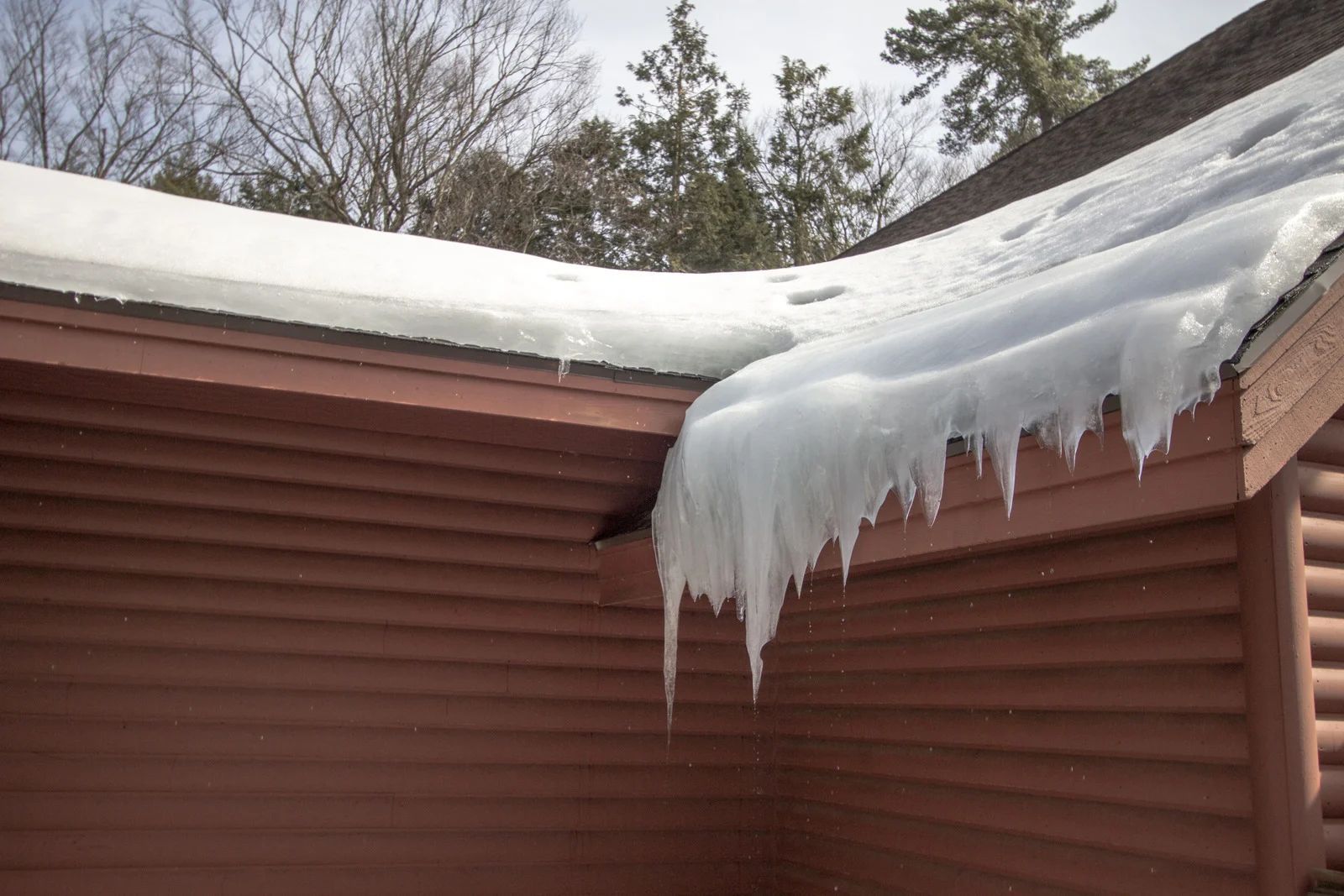
You wake up to a thick row of icicles hanging off the edge of your roof. A few days later a faint brown ring shows up on the bedroom aceiling, and by the weekend it has spread into a damp, sagging patch. If that is happening at your house right now, you are dealing with an ice dam, and the leak in your ceiling is the second half of the same problem.


Here is the single most important thing to understand before you grab a ladder. The ice on your eaves did not start on your roof. It started in your attic. Warm air escaping from the living space below melts snow on the upper part of the roof, that water runs down to the frozen edge and builds into a ridge of ice, and then more meltwater backs up behind it and finds its way under your shingles. The only way to prevent ice dams and roof leaks for good is to fix what is happening above your ceiling. Crawl through enough Twin Cities attics in January and the pattern is always the same. Chip at the ice without fixing what feeds it, and you will be back on that ladder next winter.

Why Roofs in Minneapolis and St. Paul Form Ice Dams

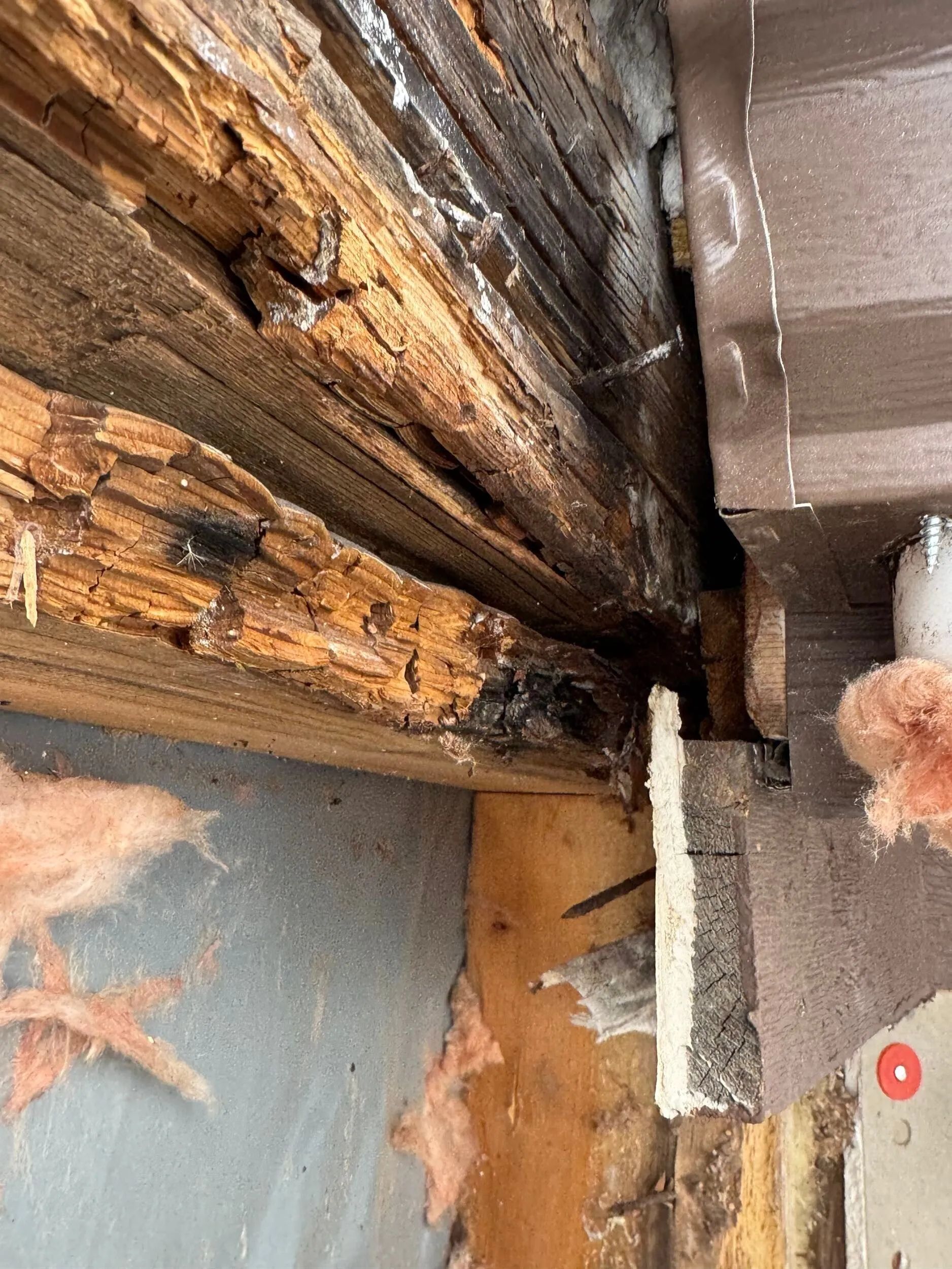
An ice dam forms because the top of your roof gets warm while the edge stays frozen. Snow on the upper roof melts from heat rising through the attic. That water trickles down until it reaches the overhang at the eaves, which sits past the heated part of the house and stays well below freezing all day. There it refreezes. Layer by layer, a ridge builds along the edge, sometimes a foot thick by February. Once that ridge is in place, every thaw sends more water down the slope, the water pools behind the ice with nowhere to drain, and it creeps backward under the shingles. Shingles shed water running downhill, but they do nothing against water sitting still and working uphill. That is the moment the leak starts, usually as a stain where the ceiling meets an outside wall.

What to Do Right Now

If water is already coming in, take these steps in order.


  1. Pull a roof rake across the lower three to four feet of the roof edge from the ground. Clearing that snow removes the fuel the dam needs.
  2. Find where the water is getting in. Check ceilings and the tops of exterior walls for fresh stains or soft drywall.
  3. Set a bucket or towels under any active drip and move furniture away from the wet area.
  4. Photograph the ice, the icicles, and the interior damage so you have a record of how bad it got.

WARNING: Do not climb onto a snow covered or icy roof, and do not stand under the eaves while chipping at ice. A slab of ice can release without warning, and a fall from a frozen roof is one of the worst injuries we see all winter. If water is running through a light fixture, a ceiling fan, or a smoke detector, shut off power to that circuit and stop. Water moving through wiring turns a roof leak into a shock and fire hazard.

TIP: Fill the leg of old pantyhose with calcium chloride ice melter and lay it across the dam so it crosses the edge of the roof. Within a day it opens a vertical channel that lets trapped water drain instead of pushing under your shingles. Skip rock salt, which corrodes flashing and gutters and can stain your siding.

The Real Reason the Ice Keeps Coming Back

The ice on your eaves is a symptom. The cause is almost always one of three things happening above your ceiling, and usually all three at once.

Heat loss through the attic floor

This is the most common driver. When your attic stays nearly as cold as the outside air, the snow on your roof never melts unevenly and no dam forms. Older homes across the north metro often have blown insulation that has settled to six or eight inches, well short of the twelve to sixteen inches a cold climate roof needs.

Air leaks around penetrations

This is the sneaky one. Recessed lights, the attic access hatch, bathroom fan ducts, plumbing stacks, and the gaps where interior walls meet the attic floor all let warm, moist house air pour straight up. A single uncapped can light can melt a circle of snow on its own. Sealing these leaks matters more than piling on insulation.

Weak ventilation

Cold outside air should flow in at the soffit vents and out at the ridge, washing the underside of the roof deck and keeping it one even temperature from edge to peak. When soffit vents get stuffed with insulation or painted shut, that airflow stalls and the deck warms in patches. In our part of the metro, deep snow that sits for weeks acts like a blanket, holding attic heat against the deck and feeding the dam through every thaw.

How We Track Down the Source

The roof edge tells us where the water comes out. The attic tells us why, so we start inside. On a cold day we look at the underside of the sheathing for frost, which means warm moist air is leaking up and freezing on the wood. We check whether the soffit vents are open and whether clear air channels run up to the ridge. We measure insulation depth and hunt for the warm spots, usually right above can lights, the attic hatch, and bath fan ducts. Outside, the heaviest section of dam points straight back to the warmest part of the attic. A dam sitting over the garage almost always means a bonus room or a heated duct running through cold space above it.

How to Prevent Ice Dams and Roof Leaks for Good

Preventing ice dams and roof leaks comes down to making your attic floor airtight and your roof deck cold, in that order. Air sealing comes first. Caulk and foam every gap, cap recessed lights with airtight covers, weatherstrip and insulate the attic hatch, and seal around every plumbing and wiring penetration. Next, bring insulation up to a full cold climate depth of twelve to sixteen inches, spread evenly across the attic floor and out over the exterior walls where dams tend to start. Then protect the ventilation by installing baffles at the eaves so insulation can never block the soffit vents, keeping a clear path from soffit to ridge. Through winter, rake the lower roof after heavy snowfalls and keep your gutters clear in fall. Homes built across the north metro before the 1990s are the ones we see struggle most, and they respond well to air sealing because the original insulation was almost never sealed underneath.

Frequently Asked Questions

  • How long does it take to fix the cause of ice dams?

    Air sealing the attic and topping up insulation is usually a one or two day job for most homes. The results show with the very next snowfall, when the roof above your ceiling finally stops melting unevenly and the ridge of ice stops rebuilding.

  • Is it safe to remove an ice dam myself?

    From the ground with a roof rake, yes. Climbing an icy roof or chipping at the dam from a ladder is where people get badly hurt. If the leak is active or the ice is several inches thick, stop and call a professional.

  • Why do my neighbors not get ice dams but I do?

    Two homes on the same Blaine street can behave very differently. A finished attic, recessed lights, or settled insulation puts your roof at far higher risk than a sealed, well vented attic next door. The difference lives above your ceiling, not on the shingles.

  • Do heat cables stop ice dams?

    Heat cables melt narrow channels so water can drain, but they never fix the heat loss causing the dam, and they run up your power use all winter. We treat them as a stopgap on tricky roof sections, not a real cure.

  • Will a new roof stop ice dams?

    On its own, no. A new roof over the same leaky, underinsulated attic will form the same dams next January. The fix lives below the deck. A reroof is the right moment to add an ice and water membrane along the eaves as backup protection.

Experienced Roof and Attic Specialists You Can Trust

The principle holds in every leak we trace: stop the warm air escaping into your attic and you prevent ice dams and roof leaks at the source, because the snow on your roof has nothing left to melt it unevenly. Winters in the north metro run long enough and the snow sits deep enough that a small attic heat problem here turns into a dripping ceiling faster than it would almost anywhere else. At Roselynn Builders we have spent 50 years sealing, insulating, and rebuilding roofs and attics across Blaine, Minnesota. If icicles are stacking up on your eaves or a stain is creeping across your ceiling, reach out to us before the next thaw and we will find the source above your ceiling instead of just clearing the ice off your roof.

House with a wraparound deck beside a backyard pool, with bare trees and winter sunlight.
May 19, 2026
Storm damage is an unavoidable reality for homeowners across Minnesota, where severe weather events such as hailstorms, high winds, and occasional fires can cause significant property damage in a matter of minutes.
Aerial view of a large gray-roofed house with wood accents beside green trees and a driveway.
April 26, 2026
In 2026, homeowners across Greater Minnesota are facing a pivotal financial decision: invest in remodeling an existing home or enter a highly competitive real estate market in search of a new one. With rising interest rates, limited housing inventory,
Aerial view of a crew installing a new roof on a house with a construction crane and materials in a rural setting.
March 21, 2026
The roof is more than just the protective cover over a home; it is a critical component that safeguards your family, possessions, and the structural integrity of your property.
House with a wraparound deck beside a backyard pool, with bare trees and winter sunlight.
May 19, 2026
Storm damage is an unavoidable reality for homeowners across Minnesota, where severe weather events such as hailstorms, high winds, and occasional fires can cause significant property damage in a matter of minutes.
Aerial view of a large gray-roofed house with wood accents beside green trees and a driveway.
April 26, 2026
In 2026, homeowners across Greater Minnesota are facing a pivotal financial decision: invest in remodeling an existing home or enter a highly competitive real estate market in search of a new one. With rising interest rates, limited housing inventory,
Aerial view of a crew installing a new roof on a house with a construction crane and materials in a rural setting.
March 21, 2026
The roof is more than just the protective cover over a home; it is a critical component that safeguards your family, possessions, and the structural integrity of your property.