A Homeowner's Guide to Storm Damage Claims in Minnesota
May 19, 2026
Storm damage is an unavoidable reality for homeowners across Minnesota, where severe weather events such as hailstorms, high winds, and occasional fires can cause significant property damage in a matter of minutes. From dented roofing systems to structural compromise and interior water intrusion, these events often leave homeowners facing not only physical repairs but also the complex process of filing an insurance claim. Understanding how storm damage claims work is essential to protecting both property value and financial stability. In many cases, the true extent of damage is not immediately visible, making early awareness and proactive action even more critical. Without proper guidance, small issues can quickly escalate into costly long-term problems that affect both safety and livability.
In today’s insurance landscape, navigating a claim is not always straightforward. Policies contain detailed provisions, adjusters assess damages with varying interpretations, and settlements may fall short of covering full restoration costs if not carefully reviewed. Homeowners who approach the claims process without proper knowledge risk underpaid settlements, delayed repairs, or denied claims. This guide provides a step-by-step explanation of how hail, wind, and fire damage claims work in Minnesota, along with practical strategies to ensure fair compensation and a smoother recovery process. By gaining a clearer understanding of the process, homeowners can make informed decisions and avoid common pitfalls. A well-managed claim not only speeds up recovery but also ensures that repairs are completed to a high standard, preserving long-term property value.
Understanding Storm Damage Coverage in Minnesota
Types of Covered Perils
Most homeowner insurance policies in Minnesota include coverage for common storm-related perils such as hail, wind, and fire. Hail damage often affects roofing materials, siding, and gutters, while windstorms can tear shingles, break windows, or topple trees onto structures. Fire damage, whether caused directly by lightning or secondary incidents, can result in both structural loss and smoke-related issues.
However, coverage depends on policy specifics. Some policies include replacement cost coverage, while others provide actual cash value, which factors in depreciation. Understanding this distinction is critical because it directly impacts the payout amount.
Policy Language and Limitations
Insurance policies contain exclusions, deductibles, and endorsements that influence claim outcomes. For example, wind or hail deductibles may be separate and higher than standard deductibles. Additionally, certain types of damage, such as gradual wear and tear, are typically excluded.
Careful review of policy documents helps establish expectations before filing a claim. Knowing what is covered—and what is not—allows homeowners to build a stronger case when communicating with insurers.
Step-by-Step Guide to Filing a Storm Damage Claim
Step 1: Immediate Damage Assessment
After a storm, the first step is to assess visible damage safely. This includes inspecting roofing, siding, windows, and surrounding property. Documentation is crucial—take clear photos and videos from multiple angles.
Avoid climbing onto roofs without proper safety equipment. Instead, document what can be seen from the ground and arrange for a professional inspection if necessary.
Step 2: Prevent Further Damage
Insurance policies require homeowners to mitigate additional damage. Temporary measures such as covering exposed areas with tarps or boarding up broken windows demonstrate responsible action.
Failing to take these steps can lead to reduced claim payouts, as insurers may argue that additional damage resulted from neglect rather than the original storm.
Step 3: Notify the Insurance Provider
Promptly report the damage to the insurance company. Most policies include a time limit for filing claims, and delays can complicate the process. Provide basic details about the event, including the date, type of damage, and affected areas.
Maintain a record of all communications, including emails, phone calls, and claim reference numbers.
Step 4: Schedule an Adjuster Inspection
The insurance company assigns an adjuster to evaluate the damage. During this inspection, it is beneficial to have a contractor or knowledgeable representative present to ensure all damage is identified.
Adjusters may overlook subtle issues, particularly with hail or wind damage. Having a second set of trained eyes helps ensure a more accurate assessment.
Step 5: Review the Estimate and Settlement
After the inspection, the insurer provides an estimate outlining repair costs. Carefully review this document for accuracy. Compare it with independent contractor estimates to identify discrepancies.
If the settlement appears insufficient, homeowners have the right to request a reassessment or provide additional documentation.
Hail Damage Claims: What Homeowners Need to Know
Identifying Hail Damage
Hail damage is not always obvious. While large dents on gutters and downspouts are easy to spot, roofing damage may be less visible. Asphalt shingles can lose granules, exposing underlying materials and reducing lifespan.
Other signs include cracked siding, damaged window screens, and impact marks on outdoor equipment. Professional inspections often reveal damage that is not immediately apparent.
Challenges in Hail Claims
Insurance companies may argue that damage is cosmetic rather than functional. Cosmetic damage may not qualify for full replacement under some policies, leading to reduced payouts.
Additionally, insurers may attribute damage to age or wear rather than a specific storm event. This highlights the importance of timely claims and proper documentation.
Best Practices for Maximizing Hail Claim Settlements
- Schedule inspections shortly after storms.
- Maintain records of roof age and maintenance history.
- Obtain multiple repair estimates for comparison.
- Request detailed explanations for denied or reduced claims.
By proactively addressing these elements, homeowners can strengthen their claim and improve settlement outcomes.
Wind Damage Claims: Addressing Structural and Hidden Issues
Common Types of Wind Damage
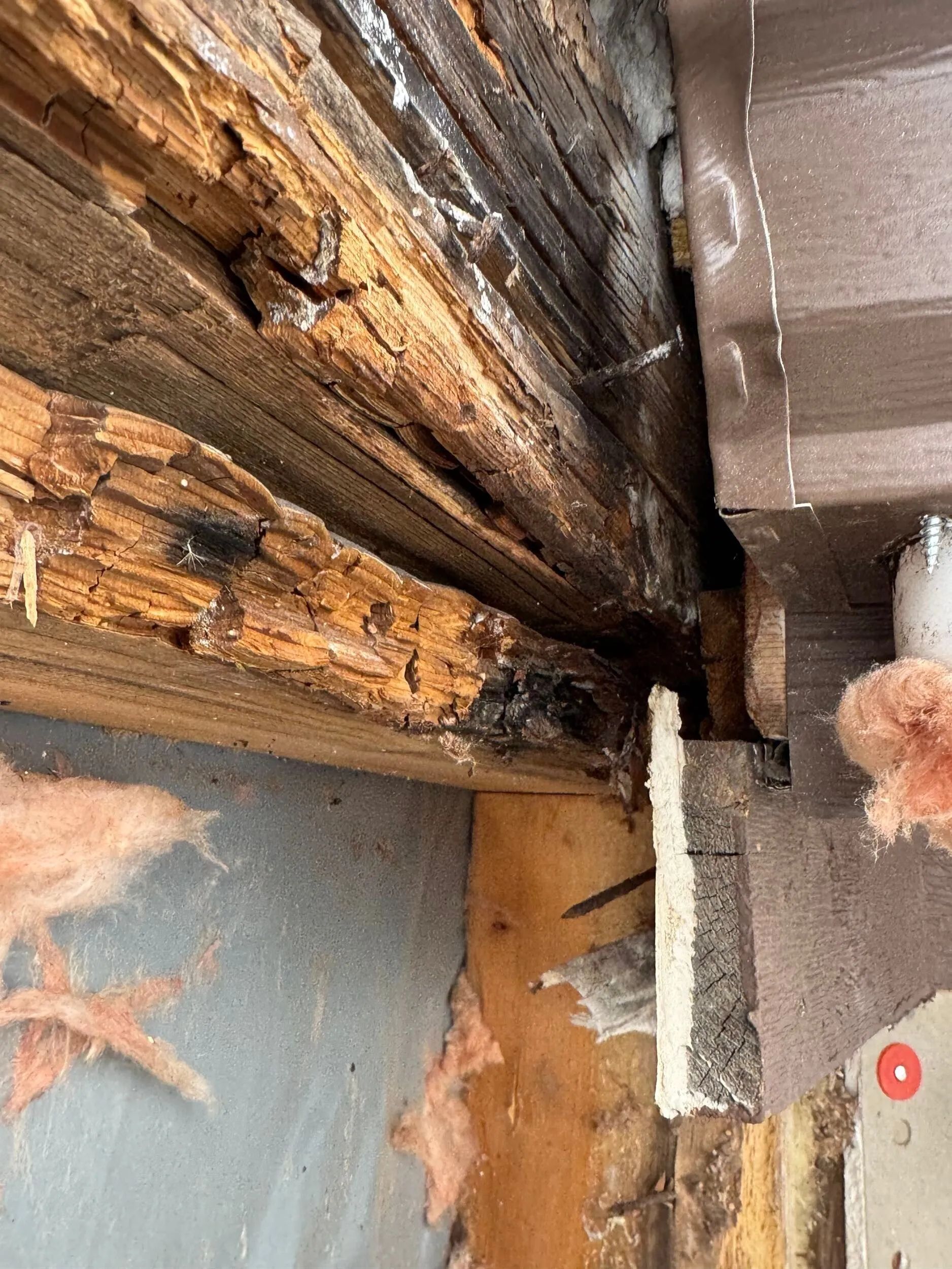
Windstorms can cause both visible and hidden damage. Missing shingles, broken windows, and fallen trees are obvious signs. However, wind can also loosen flashing, compromise seals, and create entry points for moisture.
Over time, these hidden issues may lead to mold growth or structural deterioration if not addressed promptly.
Inspection and Documentation Strategies
Thorough documentation is essential for wind damage claims. Capture images of affected areas, including roofing edges, siding panels, and surrounding debris. Note any changes in interior conditions, such as leaks or drafts.
Professional inspections often include moisture detection and structural analysis, which can reveal underlying damage not visible to the naked eye.
Avoiding Underpaid Wind Claims
Insurance adjusters may focus on visible damage while overlooking secondary effects. To avoid underpayment:
- Request comprehensive inspections.
- Highlight interior damage linked to exterior issues.
- Provide contractor reports that detail the full scope of repairs.
Clear communication and supporting evidence play a key role in achieving fair compensation.
Fire Damage Claims: Navigating Complex Losses
Understanding Fire-Related Coverage
Fire damage claims are often more complex due to the extent of loss. Coverage typically includes structural repairs, personal property replacement, and additional living expenses if the home becomes uninhabitable.
Smoke and soot damage can extend beyond the immediate fire area, affecting walls, HVAC systems, and personal belongings.
Steps in Filing a Fire Damage Claim
- Ensure safety and contact emergency services.
- Notify the insurance provider immediately.
- Document all damaged items and structures.
- Secure the property to prevent further loss.
- Work with restoration professionals to assess damage.
Detailed inventories of personal belongings are particularly important, as insurers require proof of loss for reimbursement.
Common Challenges and Solutions
Fire claims often involve disputes over valuation, especially for personal property. Insurers may apply depreciation, reducing payout amounts.
To address this:
- Provide receipts, photos, or appraisals for valuable items.
- Use detailed descriptions when documentation is unavailable.
- Consider professional inventory services for large claims.
Accurate and thorough documentation significantly improves claim outcomes.
How to Avoid Underpaid Settlements
Understand Your Policy Rights
Homeowners have the right to question estimates, request re-inspections, and provide independent evaluations. Policies are contracts, and understanding their terms empowers homeowners to advocate effectively.
Work with Qualified Professionals
Contractors, public adjusters, and inspectors bring expertise that can uncover overlooked damage. Independent assessments often provide leverage when negotiating with insurers.
Keep Detailed Records
Maintain a comprehensive file of all claim-related documents, including photos, estimates, receipts, and correspondence. Organized records strengthen credibility and support dispute resolution if needed.
Be Prepared to Negotiate
Initial settlement offers are not always final. Homeowners can negotiate by presenting additional evidence or requesting clarification on discrepancies. Persistence and documentation are key factors in achieving fair outcomes.
Avoid Common Mistakes
- Delaying claim filing
- Accepting the first offer without review
- Failing to document damage thoroughly
- Overlooking hidden or secondary damage
By avoiding these pitfalls, homeowners can protect their financial interests and ensure proper restoration of their property.
Skilled Professionals Ensuring Quality Storm Damage Repairs
When it comes to repairing and restoring storm-damaged homes, experience and craftsmanship make a measurable difference. Roselynn Builders, a trusted name in whole home construction and remodeling based in Blaine, Minnesota, brings 50 years of industry expertise to every project. With a deep understanding of regional weather patterns and construction standards, we approach each restoration with precision, ensuring that every repair not only meets insurance requirements but also enhances long-term durability.
Our process is built around transparency, detailed assessments, and high-quality workmanship. We work closely with homeowners throughout the claims process, helping interpret estimates, identify overlooked damage, and ensure that repairs align with both policy coverage and structural integrity. From roofing and siding restoration after hail and wind events to comprehensive rebuilds following fire damage, our team is committed to delivering results that stand the test of time.
Choosing the right partner after a storm is essential. With decades of proven experience and a commitment to excellence, Roselynn Builders
provides the confidence homeowners need to move forward with clarity and assurance.